Pipeline corrosion · Surface preparation
Rust Converter vs Blasting for Pipelines
Abrasive blasting is the best way to prepare rusted steel — where it is allowed. On many running plants it is not. Then the steel gets a wire brush, the rust stays in the pits, and the new coat fails. A rust converter is made for that steel.
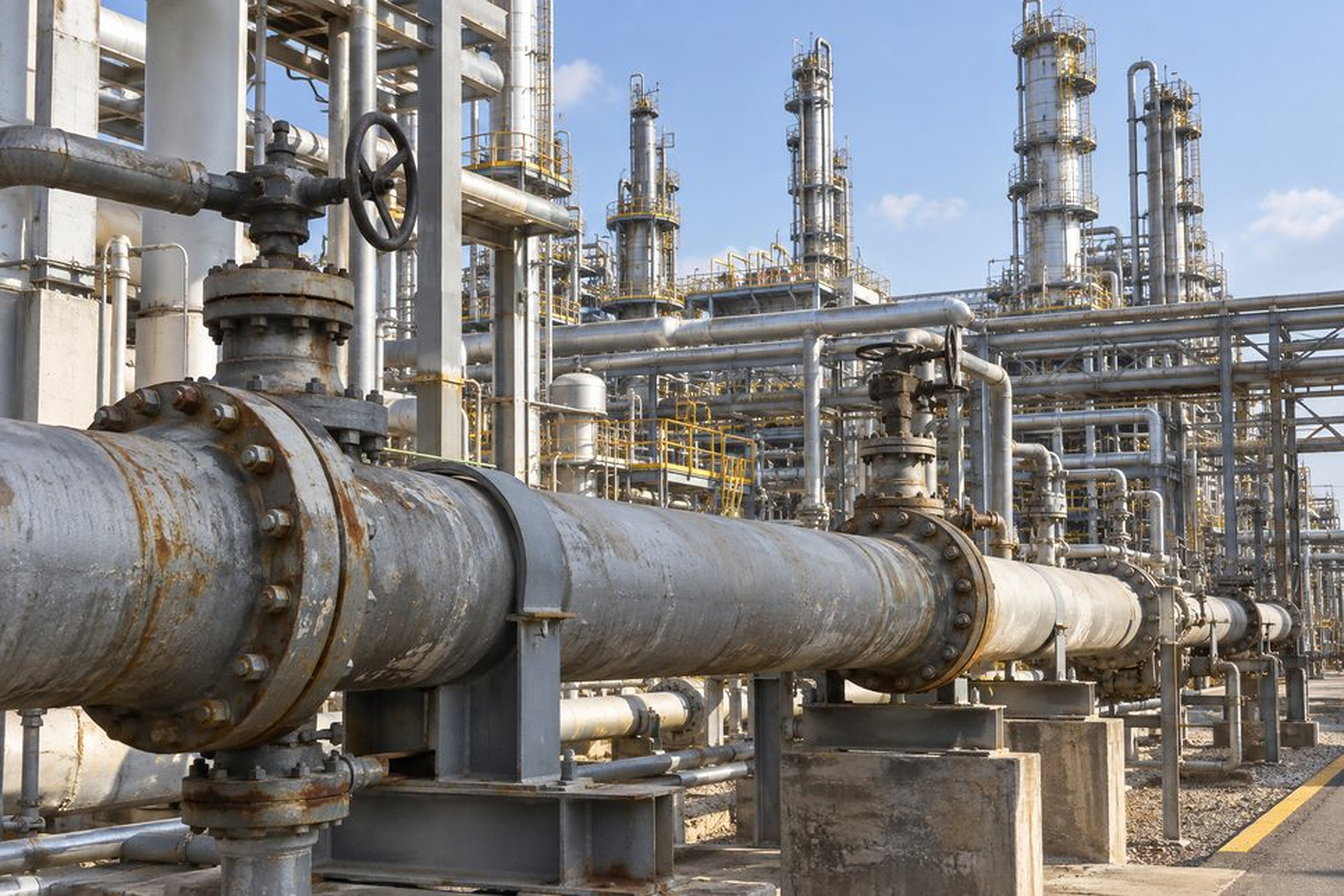
Figures as published by Stanvac: Z 704 RUSTEX–NMB industrial rust converter
01Why surface preparation decides coating life
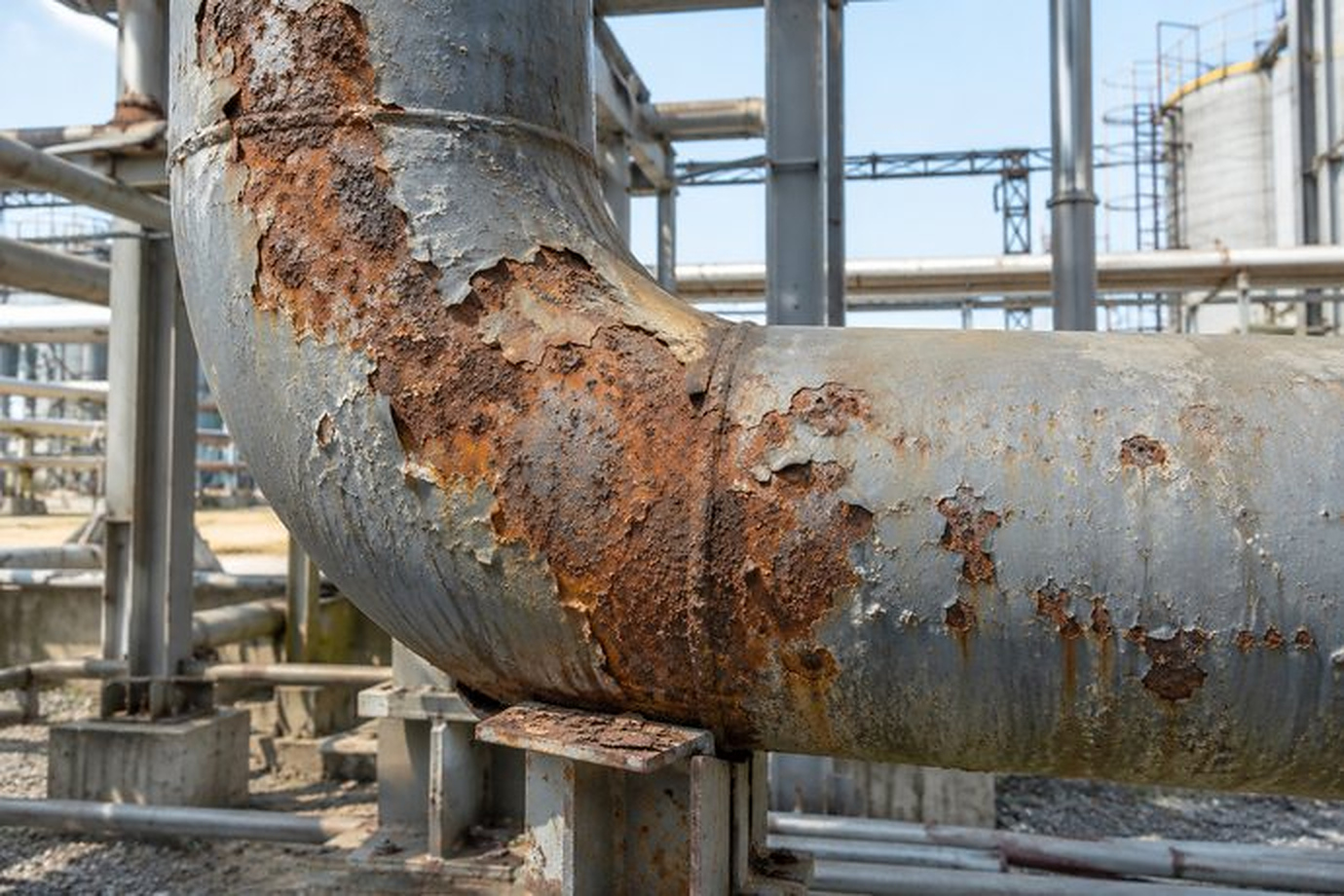
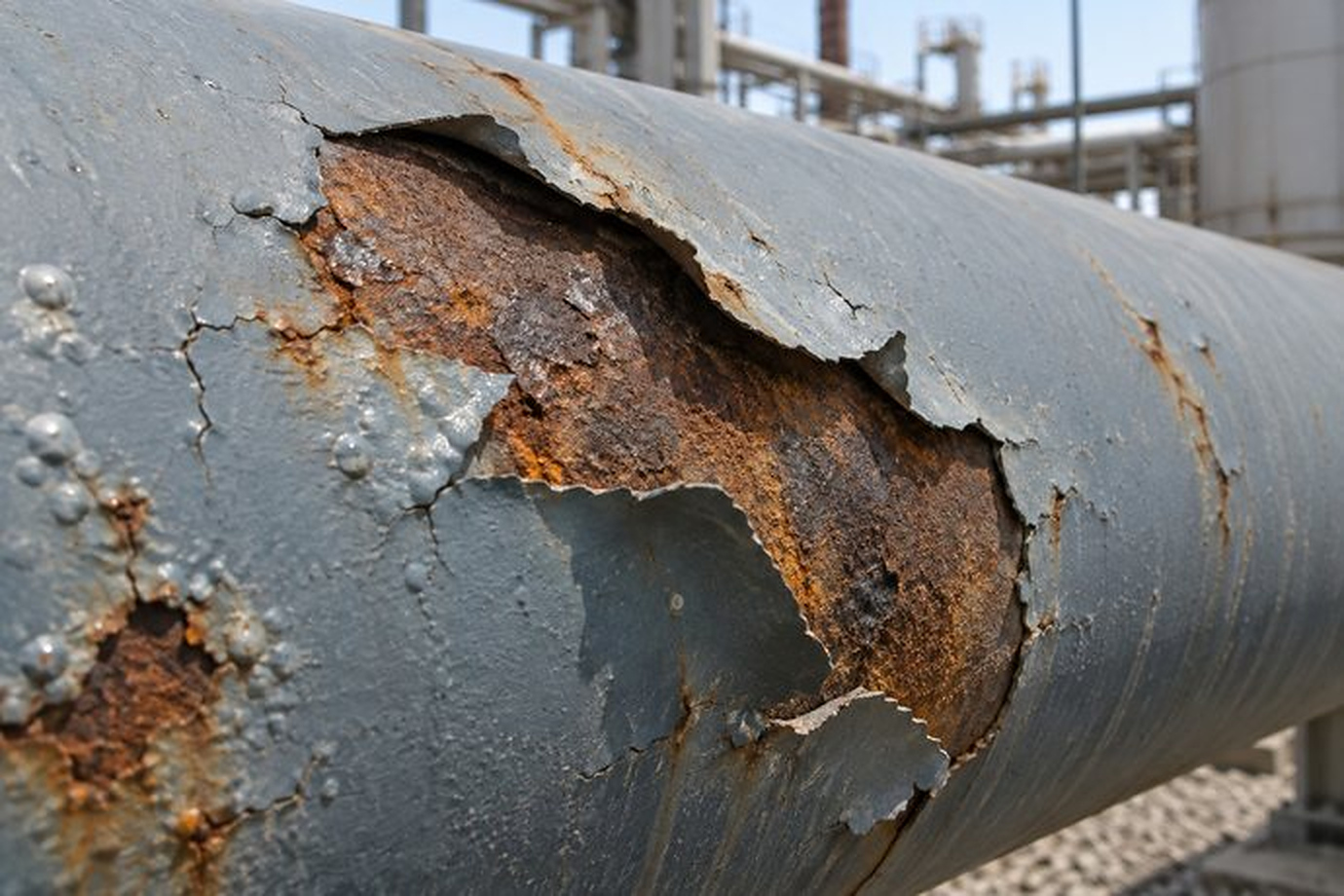
A coating is only as good as the steel under it. Hand cleaning leaves rust in every pit. The rust grows, lifts the film — and in a season the pipe needs repainting again.
02Where blasting cannot be done
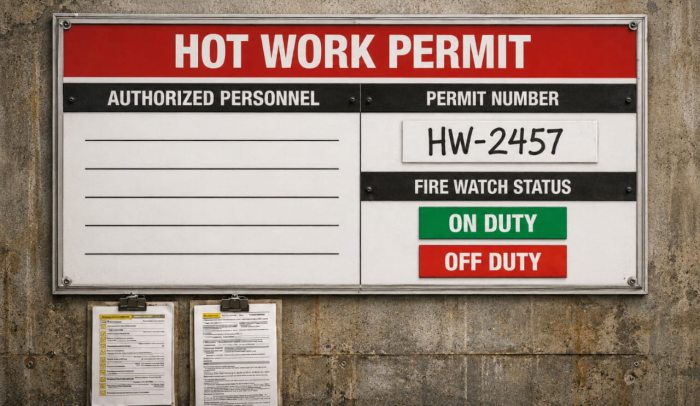
Fire-risk and hot-work-banned zones
Refineries, gas plants, solvent stores and dust zones. Blasting and sparking tools are banned; the steel gets a wire brush — and the rust gets a future.
Where one spark is unacceptable →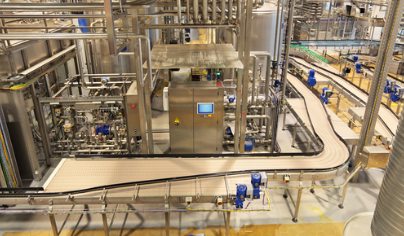
Food, pharma and running machine halls
One gram of grit in the product costs more than the paint job. Where dust would spoil product or wreck machines, the steel gets a wipe and a repaint.
Where blasting grit can never fly →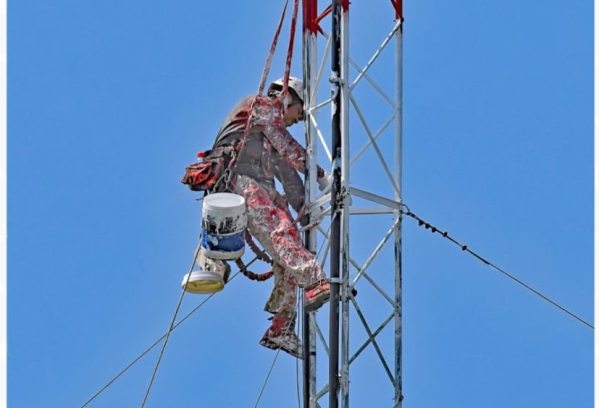
Pipe racks and steel at height
Blasting cannot go up: recoil, hose weight, blowback over a live plant. One hand always holds on, so the tool skates over the rust.
At height, steel is never properly prepared →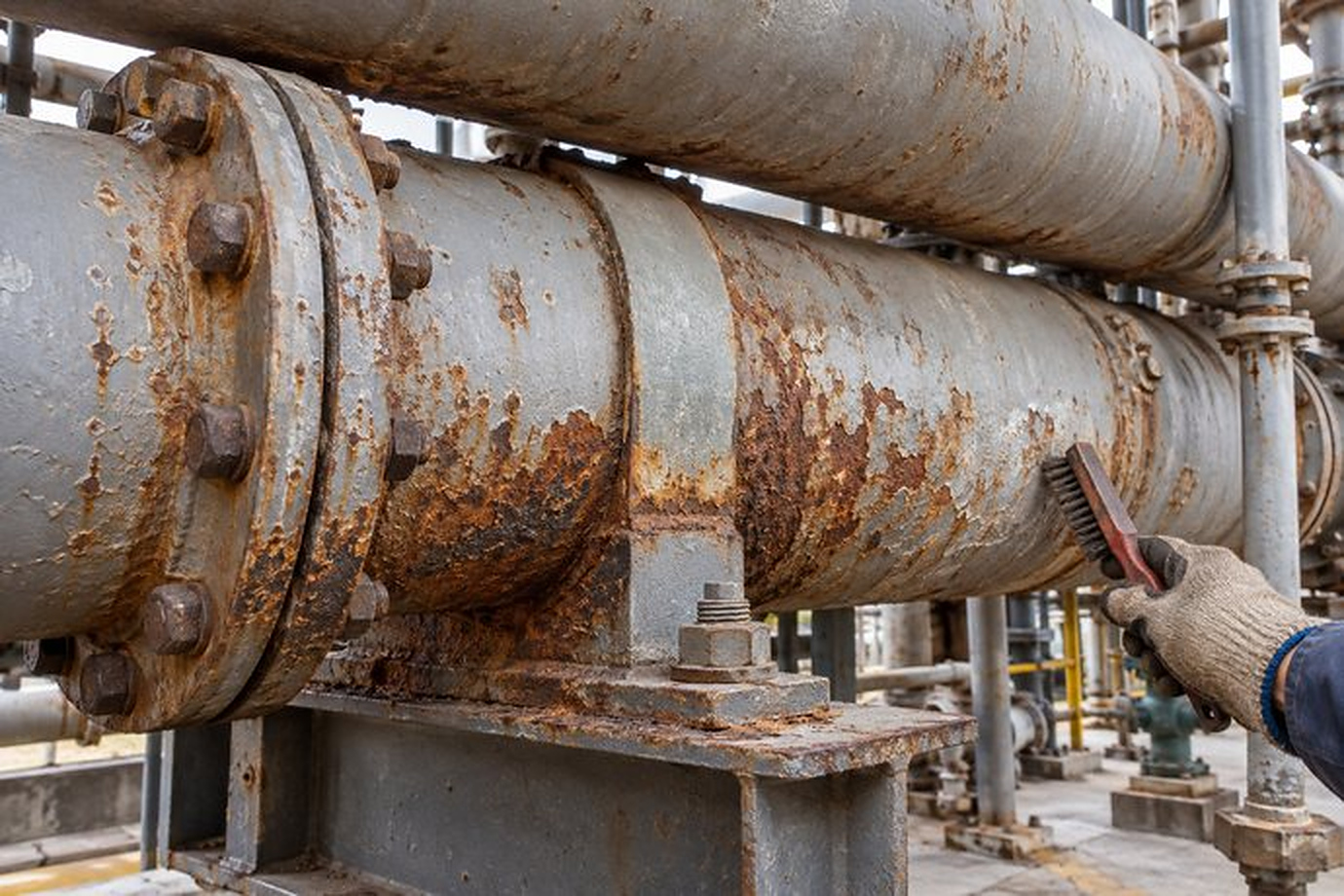
Where tools cannot reach
Between pipes. Under clamps. Around supports. Rust remains where cleaning tools cannot reach.
Pipeline corrosion repair system →A wire brush alone is not the answer. A wire brush removes loose rust only. What stays keeps growing. The coat fails in a season or two — exactly where repainting is hardest to permit.
03Blasting vs rust converter: side by side
| Situation | Abrasive blasting | Z 704 RUSTEX–NMB after hand or power-tool cleaning |
|---|---|---|
| Where it is permitted and practical | The best preparation method | Not a replacement where blasting is possible |
| Refinery, gas, solvent and dust zones | Banned: blasting and sparking tools | Brushed on cold — no flame, no spark, no grit |
| Food, pharma, running machines | Grit near open product or machinery | Grit-free and dust-free; no shutdown |
| Steel at height | Cannot go up: recoil, hose weight, blowback | Needs no muscle — brushed on one-handed from a harness |
| Rust left in pits after hand cleaning | — | Converted to the base of every pit |
| Salt and acid traces after washing | — | Converts beneath residual traces and seals them out |
Not every rust converter is the same
| Ordinary single-chemistry converter | Z 704 — TriArmor multi-chemistry + nano-bonding |
|---|---|
| Single chemistry — skins the surface | Multi-chemistry — converts deep in every pit |
| Porous film; no bond to the topcoat | Nano-molecular bonding seals and bonds the topcoat |
| Re-rusts within a season | Holds for years — 500+ hours salt spray under epoxy primer |
| Traps salt and acid residues — pitting keeps growing under the film | Tolerates residual salt and acid after a simple wash |
04What Z 704 RUSTEX–NMB does
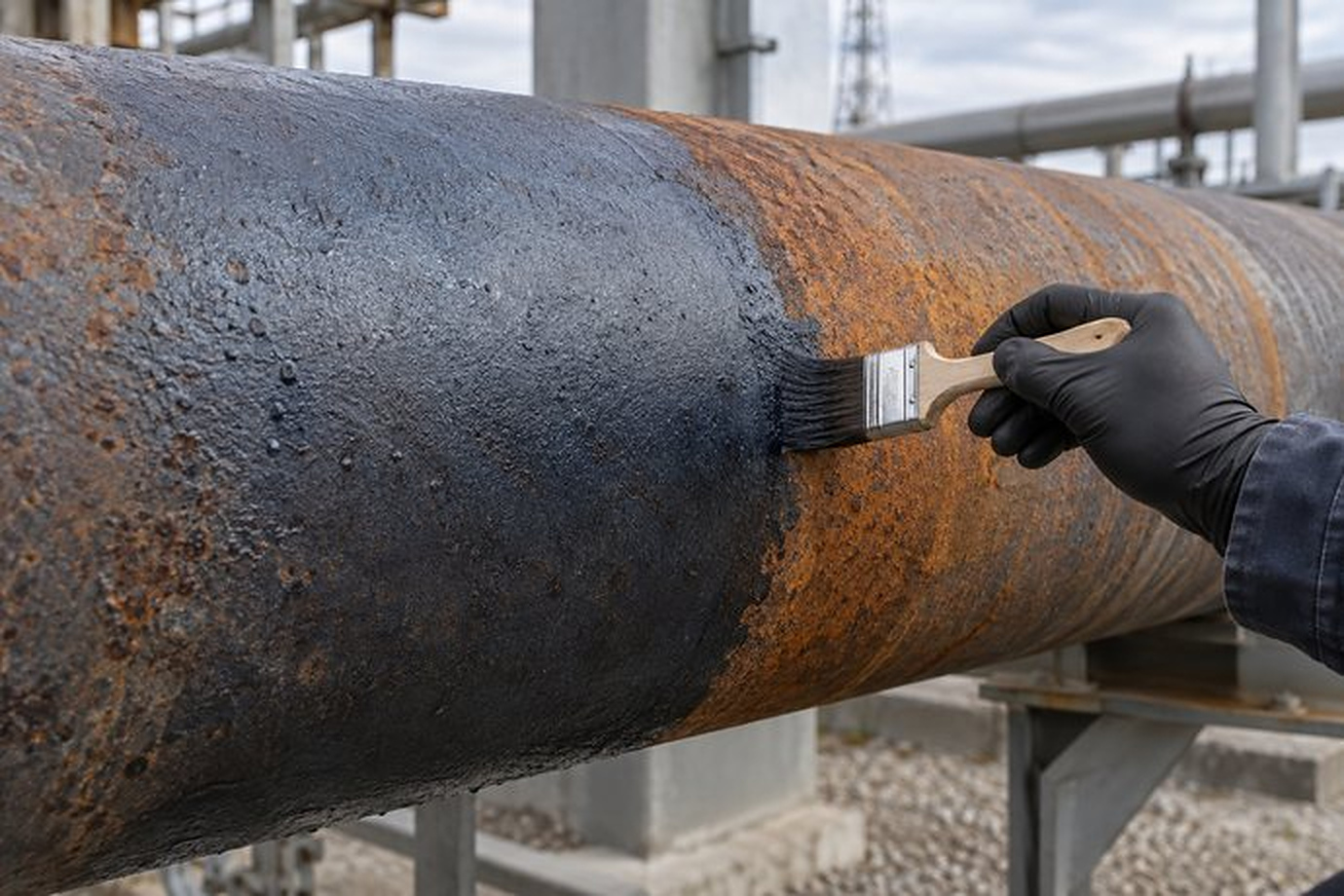
Z 704 RUSTEX–NMB is a surface-tolerant rust converter and adhesion primer for hand- or power-tool-cleaned steel (St 2 / St 3) where abrasive blasting is not possible. It converts the rust, seals the steel and bonds the topcoat.
A coating over a Z 704-bonded surface — instead of painted straight over rust — is shown to:
Independent corrosion research, as published on the Z 704 page.
| Surface preparation | Hand or power tool (St 2 / St 3); remove loose rust, scale, oil and grease; wash and dry |
|---|---|
| Service / application temperature | 1°C – 70°C |
| Application | Brush, roller or HVLP spray; pot life 3–4 hours |
| Coverage | 7 m² per litre per coat on average (profile-dependent) |
| Overcoating | Topcoat within 24 hours — epoxy, polyurethane, alkyd or TPA |
| Not for | Alkaline-contaminated surfaces without a neutralising wash; structural repair of heavily wasted steel |
05The complete pipeline system: repair, convert, protect
Repainting over rust in pits hides the next failure. Stanvac’s pipeline system works in one order: measure → clean → restore → convert → protect.
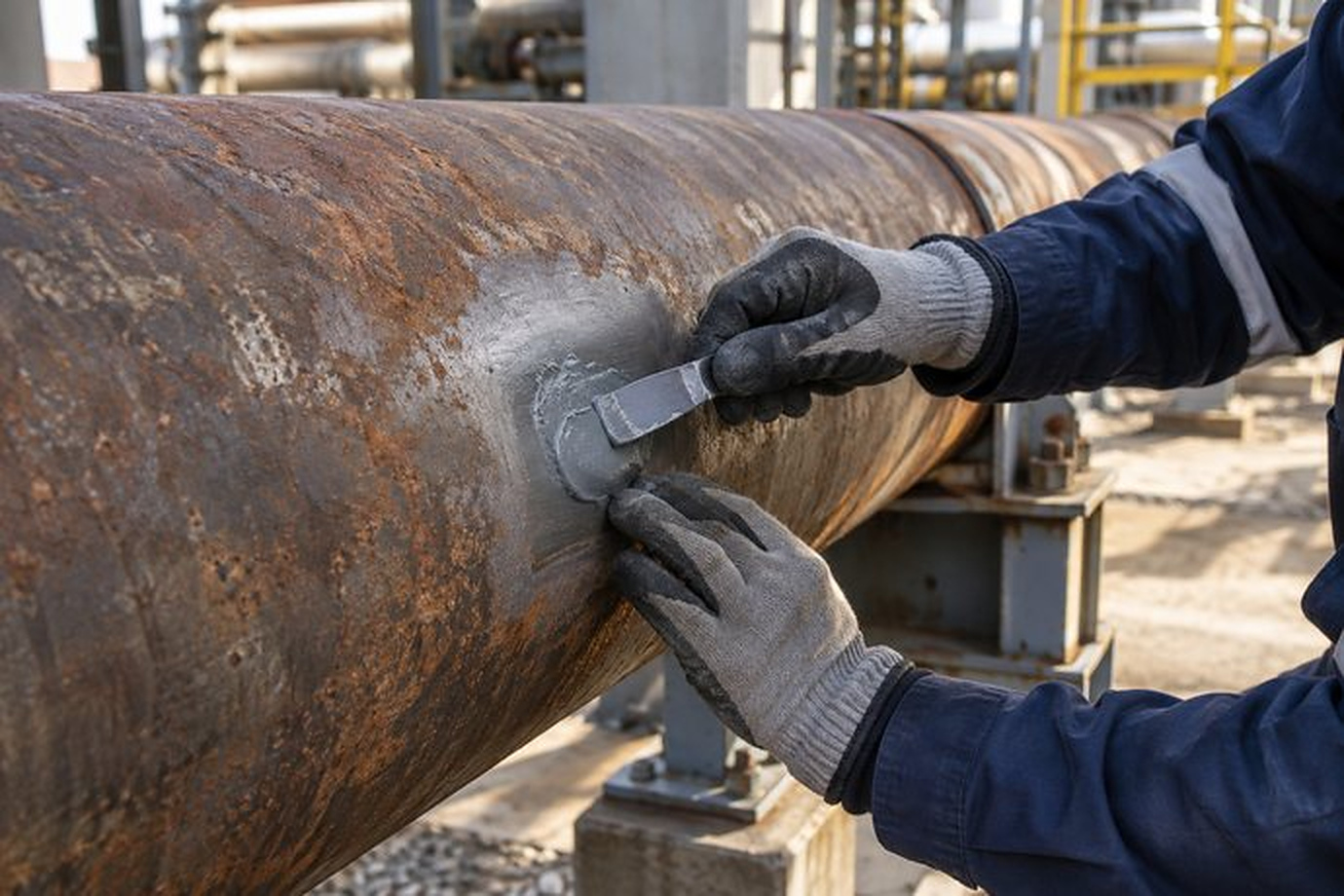
Repair
Z801 Faststeel: fast-setting, steel-filled repair for approved local pits.
Convert
Z 704 RUSTEX–NMB: converts residual rust, treats salt and acid traces, bonds the topcoat.
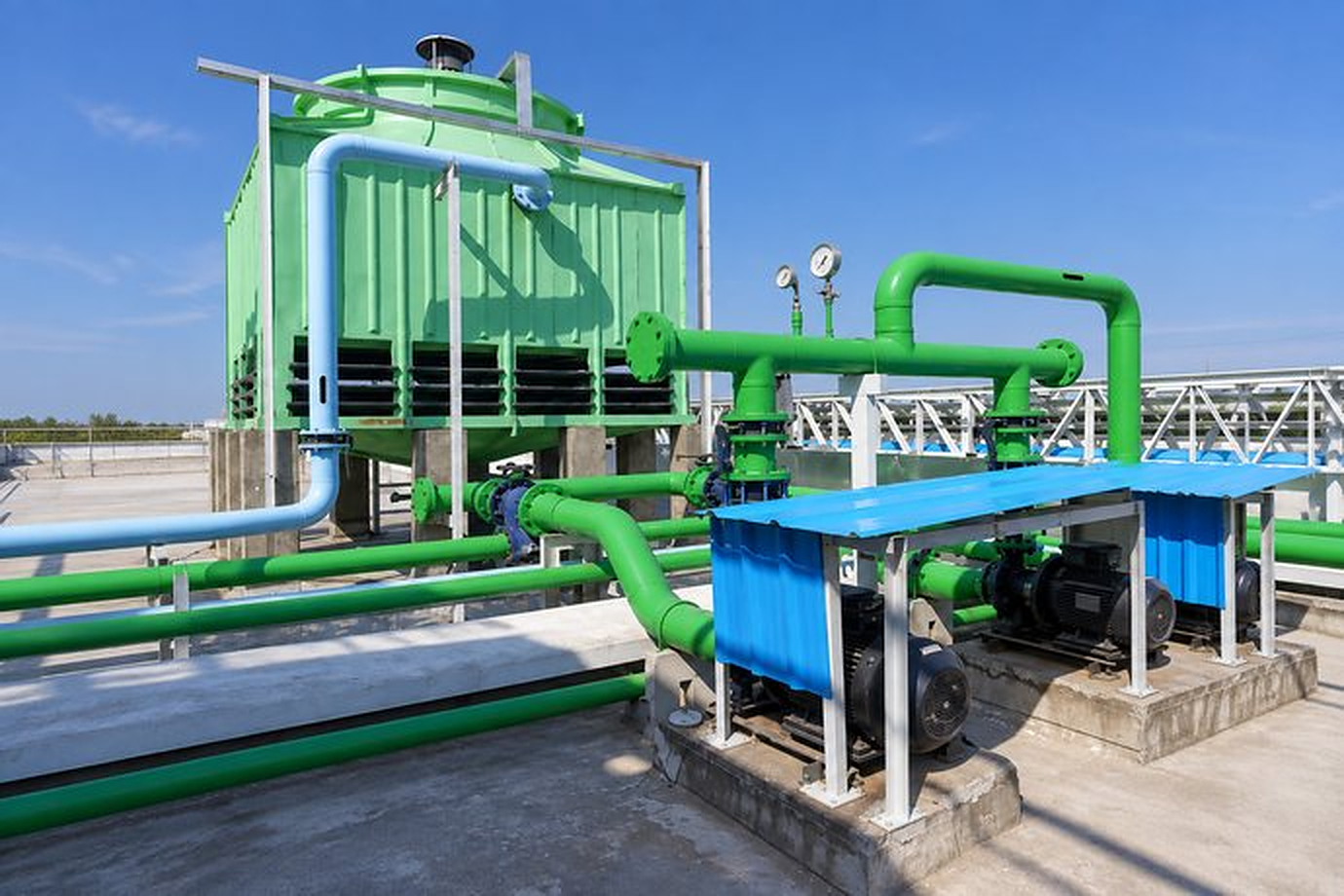
Protect
A topcoat matched to the exposure: 2050 Polyhyb SHP (dry, dusty), 1040 TST & NMB + 727 SHP (wet), or 1040 TST & NMB + 718 EGF + 727 SHP (acid fumes, coastal salt).
Pipe already weakened or leaking? Plug the leak, then wrap to re-strengthen: Stanvac’s 944 Synthoglass and 824 wrapping systems reinforce suitable damaged pipework in place. Pipe wrapping systems →
06How to apply Z 704 on a pipeline
- Wash and dryRemove loose rust, scale and old coating by hand or power tool; degrease. A fresh-water wash is mandatory on coastal, salty or acid-fume steel.
- Mix the full kitMix for 5–6 minutes to a uniform consistency, fresh on site.
- ApplyBy brush, roller or HVLP, working it into pits and crevices.
- Check the colourVerify a uniform blue-black conversion; spot-recoat any orange.
- TopcoatApply the selected topcoat within 24 hours.
07Questions people ask
Is a rust converter a substitute for blasting?
Where blasting is permitted and practical, it remains the best preparation. Z 704 RUSTEX–NMB is for steel that can only be hand- or power-tool cleaned (St 2 / St 3): where blasting is banned, unsafe or impossible.
Can it be used on a live, running pipeline?
Yes. It is cold-applied and grit-free, with no sparks and no shutdown. The service and application temperature range is 1°C to 70°C.
How do I know the rust has converted?
Reddish-brown rust turns blue-black. Any orange that remains shows where a recoat is needed.
What about coastal or acid-fume pipelines?
Wash with fresh water and dry first. Z 704 then converts beneath residual salt and acid traces and seals them out. It is not for alkaline residues such as cement or lime splash or caustic zones, unless these are neutralised and washed off first.
Can a rust converter repair a thinned or leaking pipe?
No. It is not a structural repair for heavily wasted steel: assess the remaining wall thickness first. Approved local pits are filled with Z801 Faststeel; weakened or leaking pipework is re-strengthened with a Stanvac pipe wrapping system.
Request a free site trial
Pick the worst rusted steel in your plant and remove the loose rust. Stanvac will wash, convert and seal it in front of you — 30 minutes, free — and you watch the rust turn blue-black.
sales@stanvac.com · +91-85271 99811