
Electrical fire · Homes in India
How to Prevent Electrical Fires at Home
A home electrical fire usually starts small: one loose joint, one overload, one rat bite — inside the panel box or along an exposed cable. Here is how it starts, where it starts, and what you can do to stop it.
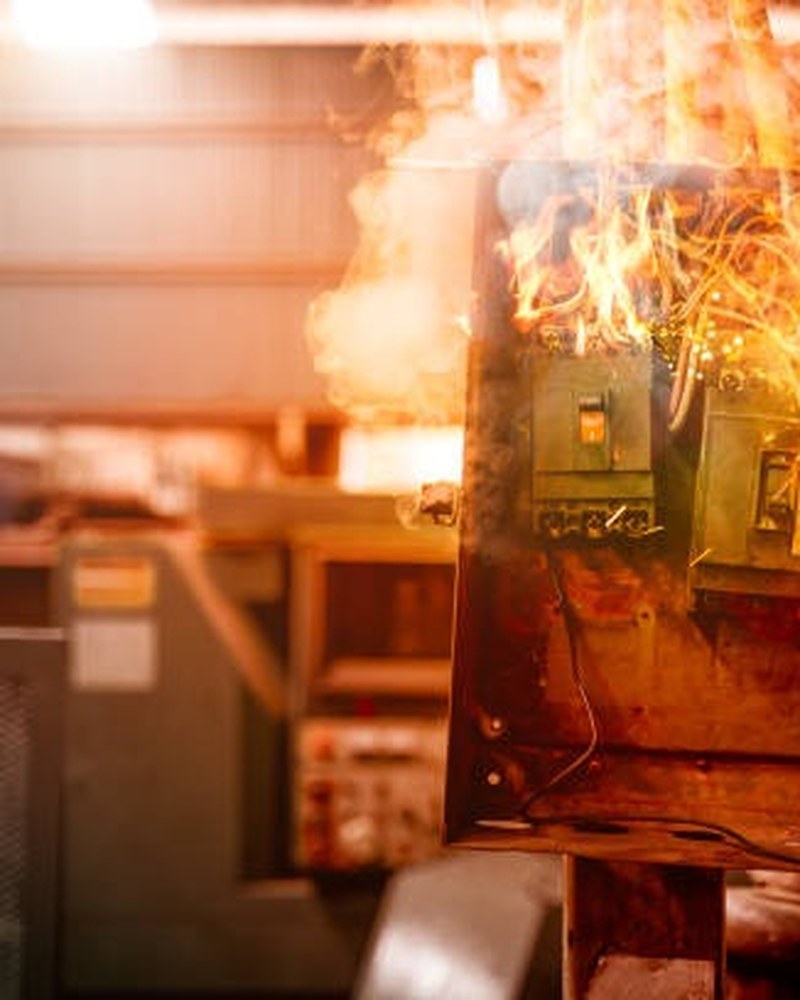
Figures as published by Stanvac: Fire Protection for Your Home · The Electrical Accident Chain
01How an electrical fire starts at home
One small fault is enough. This is how it becomes a fire:
- 1Spark or shortOne loose joint. One overload. One rat bite.
- 2The cables ignitePVC insulation is fuel — it burns.
- 3Fire and smokeSmoke is the killer in most home fires.
- 4It spreads through the wiringEvery wire becomes a road for the fire.
02Where it starts in your home
Panel and junction boxes
The cables and every exposed surface inside the box — where joints loosen and faults begin.
Exposed AC and cooler cables
The trailing wires that heat, age and crack in the open.
UPS wires
Loaded round the clock.
Cables that rats can reach
A rat bite strips the insulation, the bare wire arcs — and the fire begins inside the wall or the panel box, where nobody is watching.
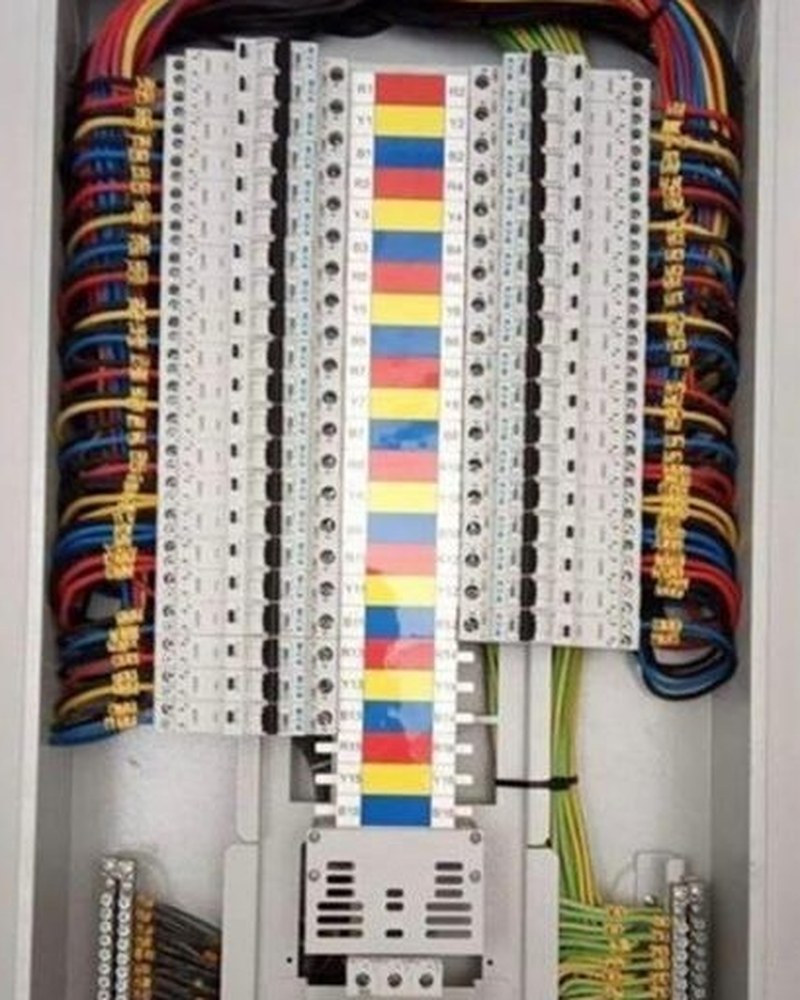
03Four steps to prevent an electrical fire
- Fix loose joints and avoid overloadsA spark or short starts with one loose joint or one overload. Have a qualified electrician check and tighten connections in the panel box, and do not overload a circuit.
- Look after exposed cablesAC, cooler and UPS cables heat, age and crack in the open. Have damaged cables replaced, not taped over.
- Keep rats away from the wiringRats gnaw cables, and a single bite can expose the conductor. Protect exposed cable runs with an anti-rodent coat.
- Stop the fire from catchingFaults still happen — that never changes. What you can change is whether the wires burn. Coat the exposed wires and surfaces in your panel box so they refuse the flame.
04Stop the fire at the panel: the 7034 Home Kit
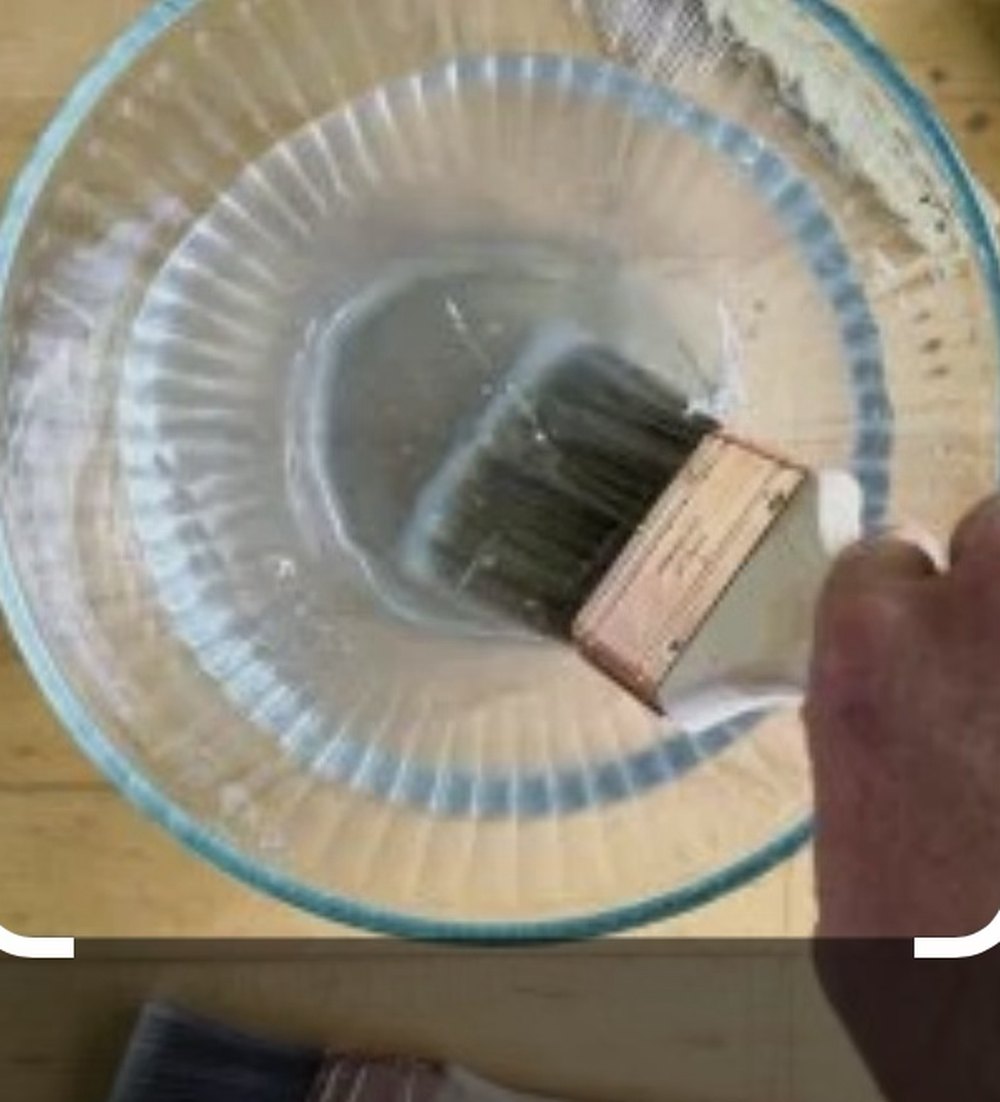
The 7034 Home Kit is self-application fire protection for all exposed wires and all exposed surfaces within your panel box. You brush it on like paint. The kit holds a 500 mL coating, a brush and gloves.
Doesn’t ignite. 7034-coated cables and surfaces refuse the flame — the film denies it fuel.
Reacts, swells, stops. Heat triggers the coat to expand into a fire-blocking shield.
No burning of exposed wires. Your wiring stays a wire, never a wick.
Tested and certified
For exposed wiring only: the 7034 Home Kit is not for concealed, in-wall wiring.
05Apply it yourself in one hour
- Switch offMains off at the panel.
- Wipe the dustOff the cables and flammable surfaces.
- Apply the 1st coatShake well. Brush onto the wires like simple paint. Wait 20 minutes.
- Apply the 2nd coatStraight over the first. Wait 20 minutes.
- Apply the 3rd coatOne more pass — the film builds. Wait 20 minutes.
- Apply the 4th coat and switch onNo need to wait — it dries by itself. A clear, translucent, flexible film is formed.

06Questions people ask
Can I apply the 7034 Home Kit myself?
Yes. It is a do-it-yourself kit: switch off the mains, wipe the dust off, then brush on four coats about 20 minutes apart. The whole job takes about one hour.
Where in my home should I apply it?
On the cables and all exposed surfaces inside panel and junction boxes, on exposed AC and cooler cables, and on UPS wires. It is not for concealed, in-wall wiring.
Will I still be able to read the cable labels?
Yes. The coat dries to a clear, translucent, flexible film. Labels stay readable and wires stay flexible.
How long does the protection last?
Stanvac states protection on electrical wires for a minimum of 10 years.
Does it keep rats away from the wiring?
It has anti-rodent protection built in. Rats are repelled by taste and smell, not poisoned. In a 30-day live-rat test the 7034-coated cable had 0 bites, against 19 on the uncoated cable in the same cages.
Protect your home’s panel box
See the full 7034 Home Kit details, or ask a Stanvac specialist which areas of your home to coat.